Planning · March 2026 · 6 min read
Why the budget conversation belongs before the drawings
Most renovation disappointment is a sequencing problem: the design gets resolved before anyone attaches a number to it. Here is the order we use instead.
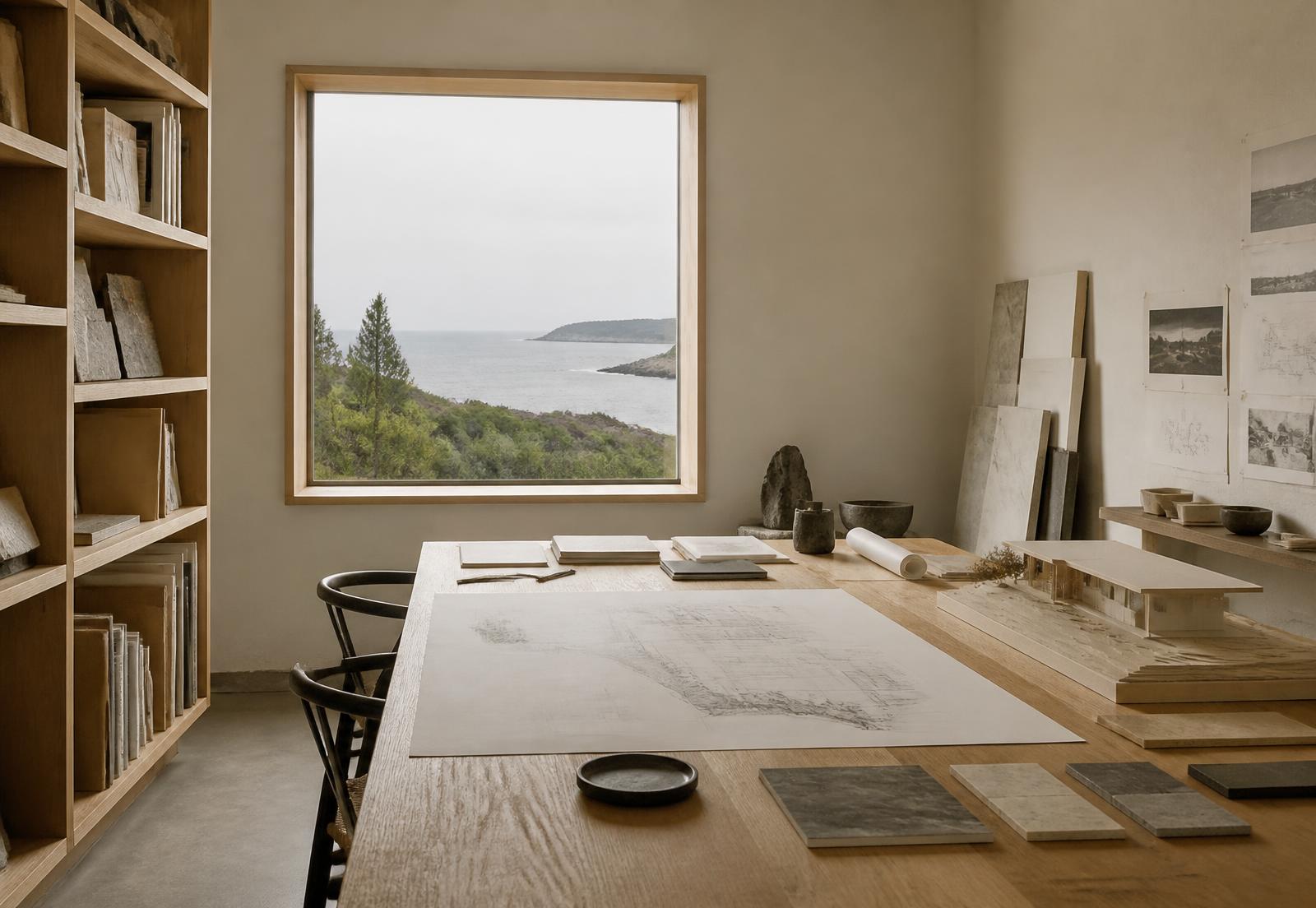
The most common way a renovation goes wrong has nothing to do with construction. It happens months earlier, when a beautiful set of drawings arrives before anyone has attached a credible number to it. By then the design is emotionally settled. Cutting scope stops feeling like planning and starts feeling like loss.
We invert that order. The first cost model appears at feasibility, before a single wall has moved on paper, and it is deliberately broad — a band, not a figure. Its purpose is not accuracy. Its purpose is to establish whether the ambition and the budget are in the same conversation at all.
At concept design, each direction carries its own model. When one option costs forty percent more than another, the difference is legible: it is the excavation, or the structural span, or the fact that one scheme needs three new bathrooms and the other needs one. Owners make that trade with clear eyes because they are choosing between priced ideas rather than reacting to a single number at the end.
By design development, allowances start converting into selected items. A tile allowance becomes an actual tile, from an actual supplier, with an actual lead time. This is unglamorous work and it is where most of the risk in a renovation quietly lives.
None of this eliminates surprises. Opening a wall in a house built in 1972 will occasionally reveal something nobody could have predicted, and coastal properties in particular hide their moisture history well. What the sequence does is separate genuine discoveries from avoidable ones — and there are far more of the second kind than the industry likes to admit.
Concept work. Written for a fictional portfolio concept; not professional advice.